
Top Foods to Lower Blood Sugar Naturally
Discover which everyday foods can support healthy blood glucose levels through smart, balanced eating. Our editorial team curates the best nutritional research so you can make informed choices at every meal.
- Science-backed foods ranked by glycemic impact
- Practical meal ideas you can apply starting today
- Easy-to-follow guides crafted for everyday readers
- Updated regularly by our nutrition editorial team
Get Weekly Food Insights
Join our growing community of mindful eaters. Our editors send a free weekly digest of the best blood-sugar-friendly food tips, seasonal recipes, and nutrition reads — straight to your inbox.
Why What You Eat Matters for Blood Sugar
The connection between food choices and blood glucose response is powerful. Here's what the wider nutrition conversation consistently points to.
Widely Recognized Impact
Nutrition experts broadly agree that whole, fiber-rich foods play a meaningful role in supporting stable blood glucose throughout the day.
A Growing Community
More and more readers across France and beyond are exploring dietary approaches to feeling energized and balanced — and sharing what works for them.
Research-Informed Content
Our editorial team references peer-reviewed nutrition literature and dietitian insights so every article reflects the best available knowledge — not trends.
Browse by Category
Top Foods Ranked for Blood Sugar Support
Each of these foods has a well-established nutritional profile that may contribute to more balanced blood glucose levels. Click any card to read the full editorial guide.

Leafy Greens
Spinach, kale, and Swiss chard are rich in magnesium and fiber, two nutrients closely linked to healthy blood glucose metabolism. They are also very low in digestible carbohydrates, making them an ideal base for any blood-sugar-friendly meal.
Read the Guide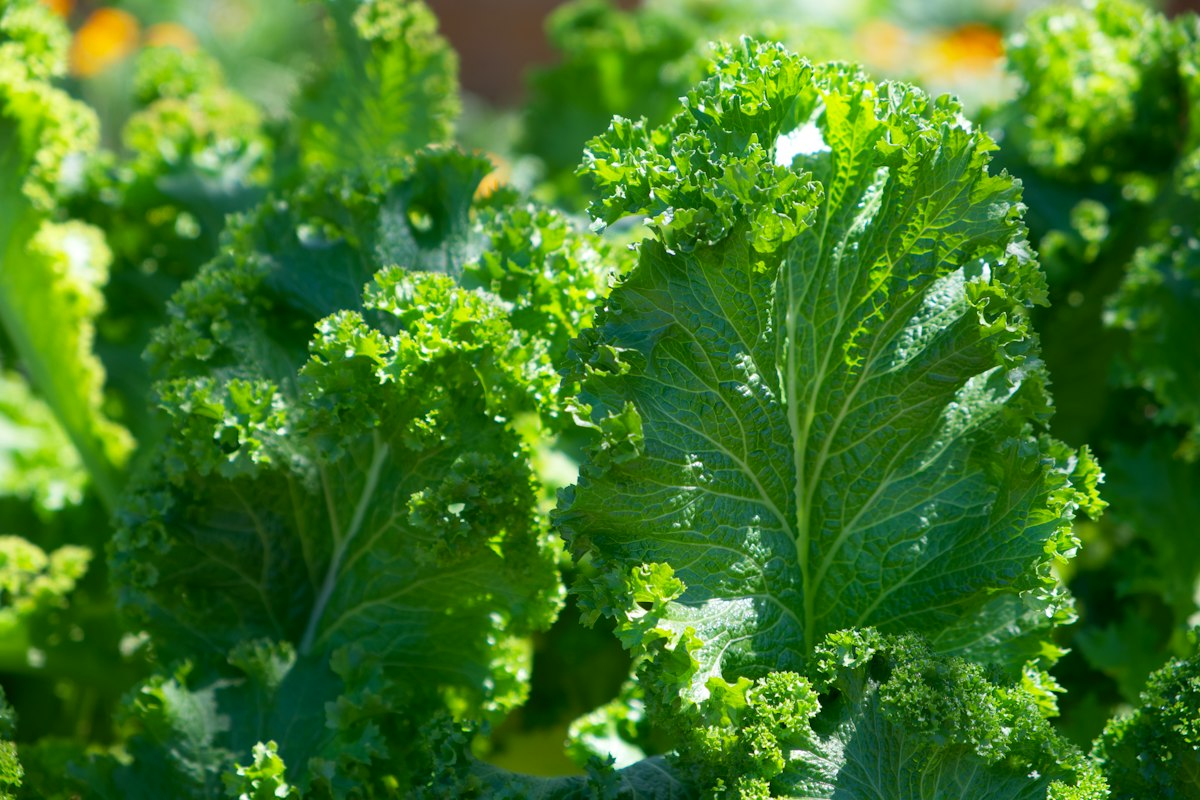
Rolled Oats
Oats contain beta-glucan, a soluble fiber that slows glucose absorption in the digestive tract, contributing to a gentler rise in blood sugar after meals. Steel-cut or rolled varieties are preferred over instant oats for maximum fiber benefit.
Read the Guide
Lentils & Chickpeas
Legumes have a naturally low glycemic index and are packed with plant protein and complex carbohydrates. Lentils, black beans, and chickpeas digest slowly, helping maintain a steadier blood sugar curve after eating compared to refined carbohydrates.
Read the Guide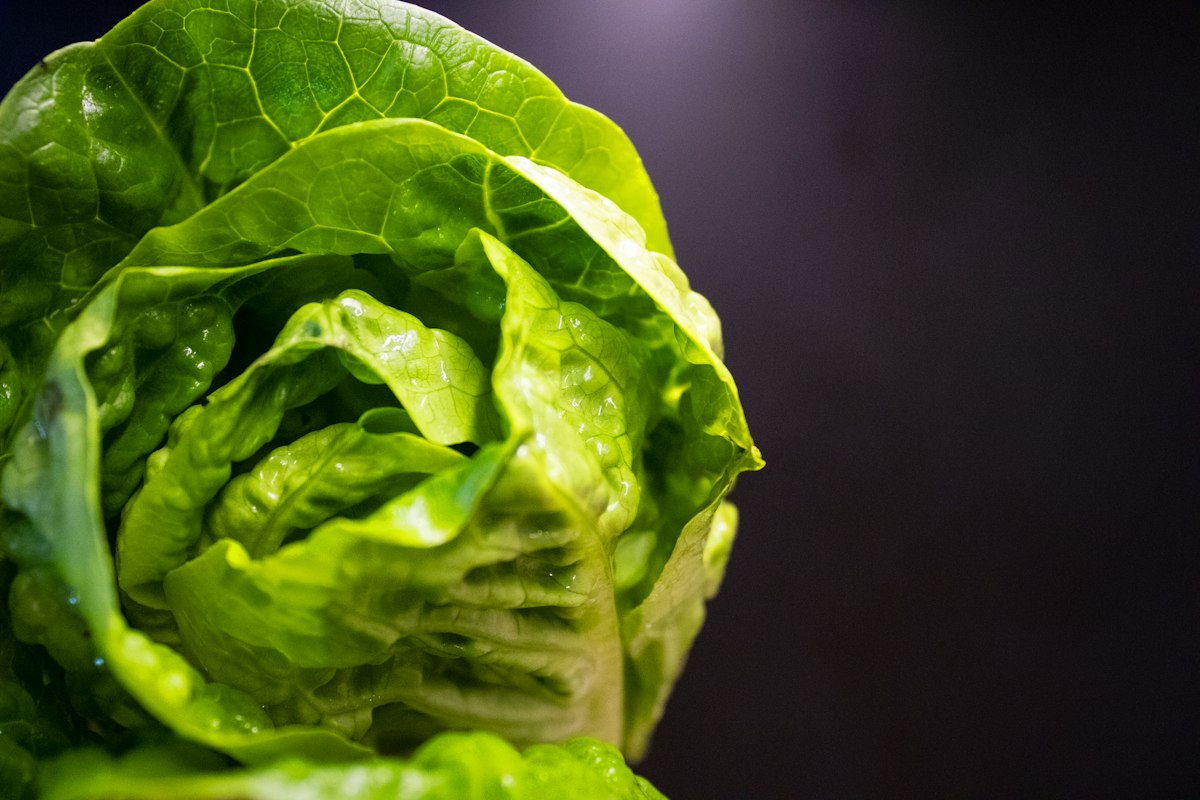
Almonds & Walnuts
A small handful of almonds or walnuts provides healthy fats, magnesium, and fiber — all of which play a role in slowing glucose absorption. Numerous nutrition studies note that nut consumption is associated with more stable post-meal blood sugar levels.
Read the Guide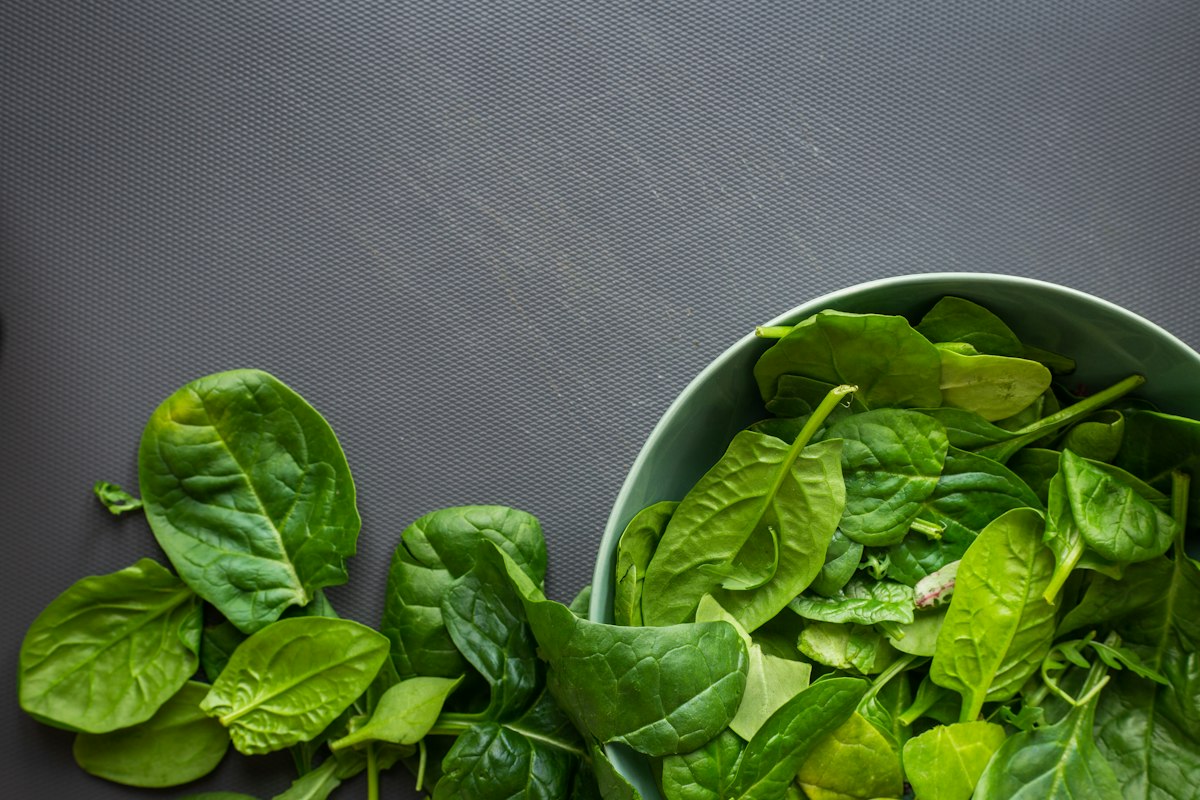
Berries
Blueberries, strawberries, and raspberries are among the lowest-sugar fruits available, offering a rich supply of polyphenols and anthocyanins. These antioxidant compounds have been studied for their potential to support insulin sensitivity and reduce post-meal glucose spikes.
Read the Guide
Cinnamon
Cinnamon is one of the most studied spices in nutritional research for its influence on glucose metabolism. Adding just a small amount to oatmeal, yogurt, or smoothies each day may contribute to a lower glycemic response, according to multiple observational nutrition studies.
Read the Guide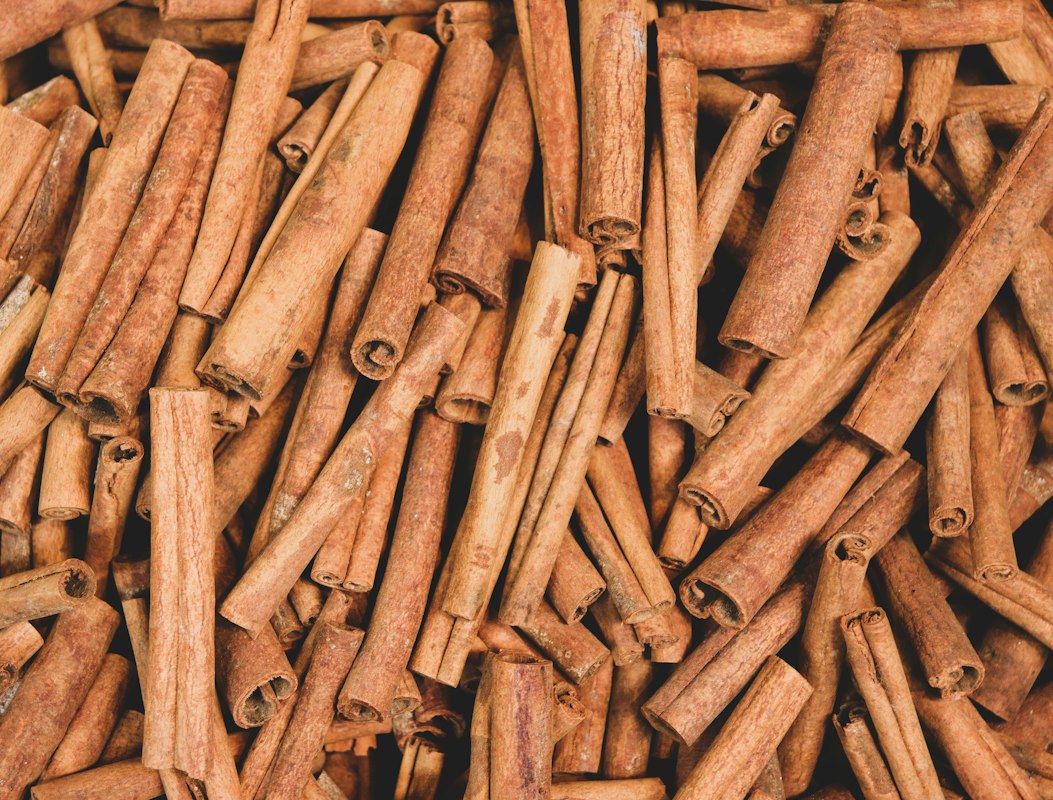
Avocado
Avocados are rich in monounsaturated fats and fiber, both of which work together to slow digestion and prevent sharp blood sugar rises. Adding half an avocado to a meal can improve the overall glycemic quality of your plate without adding significant carbohydrates.
Read the Guide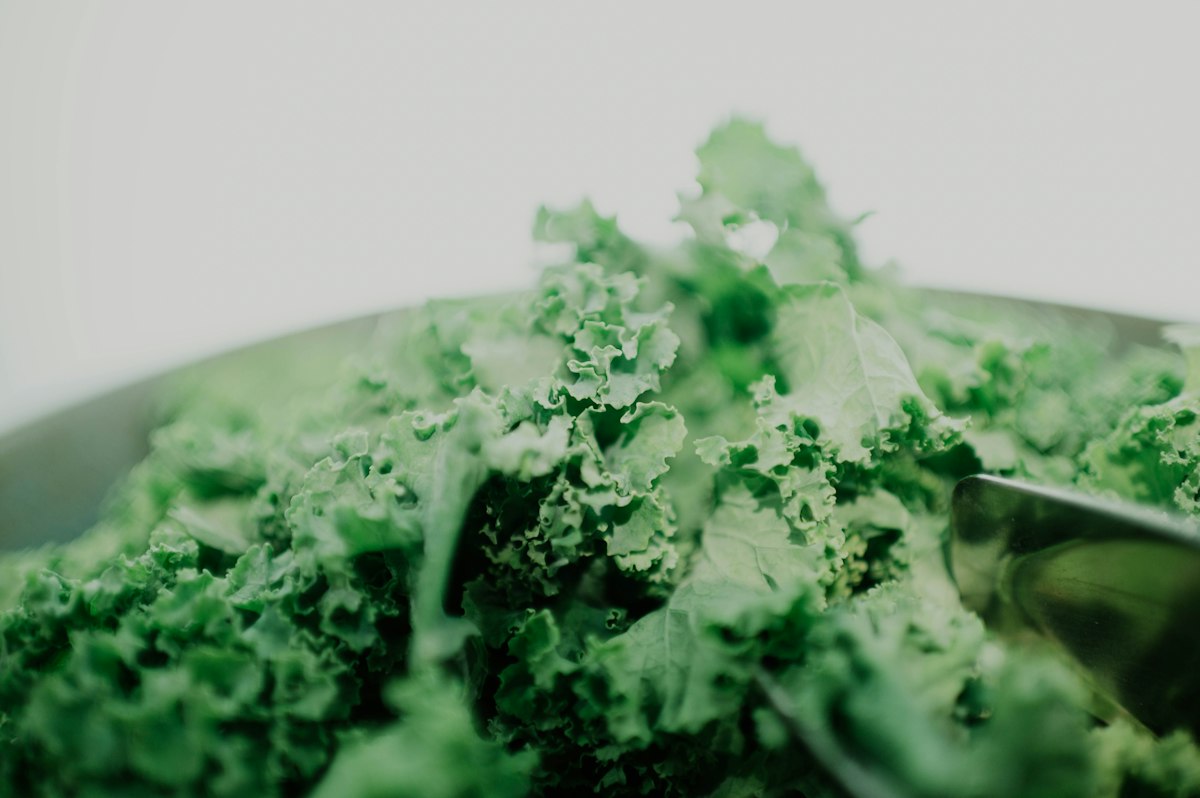
Broccoli & Cruciferous Vegetables
Broccoli contains sulforaphane, a natural compound studied for its potential to support healthy blood glucose regulation. Combined with a high fiber content and very few digestible carbohydrates, cruciferous vegetables are among the most valuable foods in any blood-sugar-aware diet.
Read the GuideChia Seeds
Chia seeds absorb liquid and form a gel in the stomach, dramatically slowing carbohydrate digestion. They are exceptionally high in soluble fiber and omega-3 fatty acids, making them one of the most efficient small additions you can make to your morning routine for blood sugar stability.
Read the GuideHow Diet Shapes Blood Glucose Levels
Every time you eat, your digestive system breaks down carbohydrates into glucose, which enters the bloodstream. The speed and magnitude of this rise depend enormously on the types of foods you choose. Foods rich in fiber, healthy fats, and protein create a slower, more gradual glucose response, whereas refined sugars and simple starches tend to cause sharper, shorter-lasting spikes.
The glycemic index (GI) and glycemic load (GL) are two widely used tools to compare how different foods affect blood glucose. However, nutrition researchers increasingly emphasize that the overall composition of a meal — its combination of fiber, fat, protein, and carbohydrate — matters more than any single food value in isolation.
Building a plate that includes plenty of non-starchy vegetables, a moderate serving of whole grains or legumes, and adequate protein at each meal is one of the most consistent recommendations across major nutrition frameworks around the world. Our editorial team breaks all of this down in accessible, practical language across our guides.
Read Our Principles
Benefits of Eating Blood-Sugar-Friendly Foods
Shifting your eating habits toward lower-glycemic, whole foods creates a cascade of positive effects that extend well beyond blood sugar itself.
More Consistent Energy Throughout the Day
When blood glucose stays relatively stable, you avoid the familiar cycle of energy peaks and crashes. Foods like oats, legumes, and avocado help sustain focus and alertness from morning through to evening without relying on stimulants.
Supports Heart Health
Low-fat meal planning naturally reduces saturated fat intake, which is directly linked to lower LDL cholesterol levels and a healthier cardiovascular system. By prioritizing lean proteins, whole grains, and plant-based fats, you give your heart the nutrients it needs to function optimally for years to come.
Preserves Lean Muscle
Unlike extreme crash diets, a well-structured low-fat plan ensures you consume adequate protein to maintain and build muscle mass. This keeps your metabolism firing efficiently, so the weight you lose comes from fat stores — not hard-earned muscle tissue.
Improves Mental Clarity
A diet rich in complex carbohydrates and lean proteins supports the production of serotonin and dopamine — the neurotransmitters responsible for mood, focus, and motivation. Many of our members report feeling sharper, more positive, and less anxious within just a few weeks of starting their plan.
Enhances Sleep Quality
Eating lighter evening meals that are lower in fat reduces digestive strain overnight, allowing your body to focus on restorative processes. Better sleep means better recovery, improved hormone regulation, and stronger willpower the next day — creating a positive feedback loop for your health goals.